Discover cotija cheese, the crumbly Mexican cheese that adds bold flavor to countless dishes. Learn its history, uses, taste, storage tips, and how to cook with it like an expert.


Introduction to Cotija Cheese
Cotija cheese is one of those ingredients that feels small at first glance but completely transforms a dish once you try it. Known for its crumbly texture and bold, salty flavor, cotija cheese has been a staple in Mexican kitchens for centuries. You may have already tasted it sprinkled over elote (Mexican street corn) or crumbled on top of tacos, but its versatility goes far beyond street food favorites.
What makes cotija cheese special is its ability to bring an instant punch of flavor without overpowering the rest of the ingredients. It’s often compared to cheeses like feta or Parmesan, but it has its own unique personality that sets it apart. Whether you’re cooking traditional Mexican meals or experimenting with fusion recipes, cotija cheese can quickly become one of your most-used ingredients once you understand how to use it.
What Is Cotija Cheese?
Cotija cheese is a Mexican cheese made primarily from cow’s milk. It originated in Cotija, a town in the Mexican state of Michoacán, which is where it gets its name. Traditionally, this cheese was made using raw milk, aged to develop its signature crumbly texture and salty kick. Today, you’ll find variations of cotija cheese available across the globe, from fresh to aged forms, both carrying slightly different characteristics.
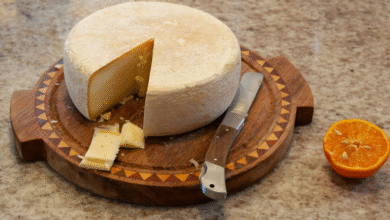
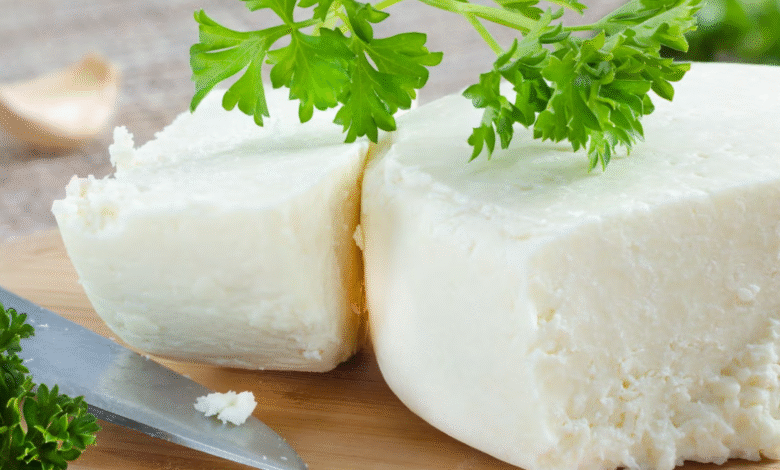
The texture of cotija cheese is one of the reasons it stands out. When young, it has a softer, almost feta-like consistency that crumbles easily. As it ages, it becomes firmer and takes on qualities more similar to Parmesan, which makes it perfect for grating. No matter which form you use, the flavor remains rich, salty, and slightly tangy, making it a fantastic finishing touch to countless dishes.
The History and Origins of Cotija Cheese
Cotija cheese dates back several centuries, rooted deeply in the culinary traditions of Michoacán, Mexico. The region’s climate and agricultural practices allowed farmers to produce high-quality dairy, and cheese-making became a natural extension of their lifestyle. Families would make cotija cheese as a way to preserve milk, allowing them to store it for longer periods without spoilage.
Over time, cotija cheese grew from being a local specialty to a national treasure. Its ability to elevate everyday meals made it popular throughout Mexico, and eventually, its reputation spread internationally. Today, cotija cheese is celebrated not only in Mexican cuisine but also in kitchens worldwide, embraced by chefs who love experimenting with bold, distinctive flavors.
Flavor Profile of Cotija Cheese
One of the reasons cotija cheese is so beloved is its unmistakable flavor. It’s often described as salty, tangy, and slightly sharp, with a complexity that comes from the aging process. The saltiness is stronger than many other cheeses, which is why it’s used as a garnish rather than a main ingredient in most dishes.
The taste can vary slightly depending on whether you’re eating fresh or aged cotija cheese. Fresh cotija has a milder, creamier flavor that’s reminiscent of feta, while aged cotija leans more toward Parmesan, with a nutty depth and a firmer bite. This range of flavors gives you the flexibility to use it in different ways depending on the style of dish you’re preparing.
Types of Cotija Cheese
Although people often refer to cotija cheese as a single product, it actually comes in two primary forms, each offering its own culinary advantages.
Fresh Cotija
Fresh cotija is younger and softer, making it easy to crumble. It has a moist texture and a milder saltiness compared to aged varieties. This form is often used in dishes like tacos, tostadas, and soups, where it adds flavor without being too intense.
Aged Cotija
Aged cotija is firmer, drier, and much more crumbly. Its flavor is more concentrated, resembling Parmesan in its boldness. Because of its harder texture, aged cotija can be grated and used as a topping for pasta, roasted vegetables, or baked casseroles. Many chefs love using aged cotija as a seasoning-like cheese rather than a central element.
How Cotija Cheese Is Made
The process of making cotija cheese follows traditional cheesemaking methods, though it requires a careful balance of steps to achieve its signature flavor.
Milk is first curdled using natural or commercial rennet, then the curds are pressed to remove excess whey. From there, the curds are salted generously, which is what gives cotija its distinctive taste. The cheese is then aged, with fresh varieties aging for only a few weeks and aged varieties often maturing for several months.
While industrial production methods are now common, many artisanal producers in Mexico continue to craft cotija cheese using age-old techniques. These traditional methods are often said to create a deeper, more authentic flavor that reflects the heritage of the cheese’s origins.
Culinary Uses of Cotija Cheese
If there’s one thing that makes cotija cheese invaluable in the kitchen, it’s its versatility. Because it doesn’t melt the way cheeses like mozzarella or cheddar do, cotija is often used as a finishing touch rather than a melting component.
It’s famously sprinkled over elote, the beloved Mexican street corn that’s grilled, slathered in mayonnaise or crema, and dusted with chili powder. Beyond that, cotija cheese works beautifully in salads, soups, enchiladas, nachos, and even non-Mexican dishes like pasta and pizza. Its bold flavor means a little goes a long way, so you don’t need much to transform an entire dish.
Chefs and home cooks alike love cotija because it acts almost like a seasoning. When added at the end of cooking, it brightens up flavors, balances heat, and brings an irresistible savory note that ties everything together.
Nutritional Value of Cotija Cheese
Cotija cheese isn’t just flavorful—it also carries some nutritional benefits worth noting. Like most cheeses, it’s a good source of protein and calcium, both of which are essential for maintaining healthy bones and muscles. It also provides essential vitamins such as vitamin A and B12.
However, because of its high salt content, cotija cheese should be enjoyed in moderation, particularly by those watching their sodium intake. A small serving is usually more than enough to enhance your meal without overwhelming your diet. For those who are lactose intolerant, aged cotija cheese may be easier to digest, since it contains less lactose than fresh dairy products.
Cotija Cheese vs. Other Cheeses
Cotija cheese often gets compared to other crumbly or salty cheeses, and while there are similarities, it stands out in unique ways.
Cotija vs. Feta
Both cotija and feta are crumbly and salty, but feta has a tangier, more acidic taste, while cotija leans toward a nuttier, sharper flavor, especially when aged.
Cotija vs. Parmesan
Aged cotija and Parmesan share many qualities, particularly in texture and sharpness. However, Parmesan has a deeper umami flavor, while cotija maintains a distinctly salty bite that makes it stand out in Mexican cuisine.
Cotija vs. Queso Fresco
Queso fresco is another Mexican cheese often confused with cotija. Unlike cotija, queso fresco has a milder flavor and a softer texture, making it less intense when sprinkled over dishes.
How to Store Cotija Cheese
Proper storage is key to keeping cotija cheese fresh and flavorful. Since it’s a semi-hard cheese, it should be kept in the refrigerator, ideally wrapped in wax paper and then placed in a resealable plastic bag or airtight container. This method allows the cheese to breathe while preventing it from drying out too quickly.
If you buy fresh cotija, try to use it within a week or two for the best flavor. Aged cotija, on the other hand, can last several weeks when stored properly. Freezing is also an option, though it may slightly alter the texture. To freeze, wrap the cheese tightly in plastic wrap and store it in a freezer-safe bag.
Cooking with Cotija Cheese
Cooking with cotija cheese is more about sprinkling and finishing than melting and blending. Since it doesn’t melt into gooey strings, it works best as a topping or mix-in.
Sprinkle it over grilled corn, toss it into salads, or crumble it into soups for added richness. If you’re making Mexican-inspired pasta or pizza, try using cotija cheese as a garnish after baking. It pairs beautifully with lime juice, chili powder, cilantro, and creamy ingredients like avocado or sour cream.
One expert tip is to combine cotija cheese with other cheeses. For example, you can use mozzarella for melting and then finish with cotija for flavor. This layered approach gives you the best of both worlds: melty texture and bold taste.
Popular Dishes That Use Cotija Cheese

Cotija cheese plays a starring role in many iconic dishes. Some of the most popular include:
- Elote (Mexican street corn): Grilled corn topped with mayo, chili powder, lime, and cotija.
- Tacos: A sprinkle of cotija over carne asada or fish tacos enhances flavor and adds texture.
- Enchiladas: Cotija makes the perfect finishing touch on top of saucy enchiladas.
- Soups: Mexican soups like pozole or tortilla soup come alive with a dusting of cotija.
- Salads: Cotija pairs well with fresh greens, beans, and grilled vegetables.
Chefs also experiment by adding cotija to non-Mexican dishes. Think roasted potatoes, pasta, or even burgers topped with a salty sprinkle for an unexpected twist.
Pairings with Cotija Cheese
Cotija cheese pairs beautifully with bold and fresh flavors. Citrus, particularly lime, balances its saltiness, while fresh herbs like cilantro or parsley enhance its brightness. It also works well with smoky ingredients like chipotle or roasted peppers, creating a balanced contrast.
When it comes to drinks, cotija cheese complements Mexican beers, margaritas, or even a crisp white wine like Sauvignon Blanc. The saltiness of the cheese enhances the refreshing qualities of these beverages, making it an ideal pairing for summer gatherings.
Table: Cotija Cheese at a Glance
| Characteristic | Description |
|---|---|
| Origin | Cotija, Michoacán, Mexico |
| Milk Type | Cow’s milk |
| Texture | Crumbly; soft when fresh, hard when aged |
| Flavor | Salty, tangy, sharp |
| Uses | Garnish, seasoning, topping |
| Comparisons | Similar to feta (fresh) and Parmesan (aged) |
Quotes About Cotija Cheese
“Cotija cheese is less of an ingredient and more of a seasoning—it turns a good dish into an unforgettable one.”
“The beauty of cotija cheese lies in its ability to bring balance. It’s salty, bold, and crumbly, yet never overwhelming.”
FAQs About Cotija Cheese
What does cotija cheese taste like?
Cotija cheese has a salty, tangy flavor that gets sharper as it ages. Fresh cotija is milder and creamier, while aged cotija resembles Parmesan with a more concentrated taste.
Does cotija cheese melt?
No, cotija cheese does not melt the way mozzarella or cheddar do. Instead, it softens slightly and holds its shape, which is why it’s mainly used as a topping or garnish.
Can you substitute cotija cheese?
Yes, you can substitute cotija with feta for fresh recipes or Parmesan for aged recipes. While the flavors aren’t identical, these cheeses offer a similar crumbly texture and salty punch.
Is cotija cheese healthy?
Cotija cheese is a good source of protein and calcium, but it’s also high in sodium. It can be part of a healthy diet when consumed in moderation.
Where can I buy cotija cheese?
Cotija cheese is widely available in supermarkets, especially in the cheese section or specialty Mexican aisle. It’s also commonly found in Latin grocery stores.
Conclusion
Cotija cheese is more than just a garnish—it’s a culinary powerhouse that brings bold flavor and rich tradition to every dish it touches. Whether you’re sprinkling it over tacos, crumbling it into soups, or grating it onto pasta, this crumbly Mexican cheese offers endless possibilities. Its salty, tangy taste makes it an essential ingredient for both authentic Mexican cooking and creative fusion dishes.
If you’ve never cooked with cotija cheese before, now is the perfect time to bring it into your kitchen. Once you experience how easily it transforms simple recipes into extraordinary meals, you’ll wonder how you ever lived without it.