How to Make Rose Oil at Home: The Complete Expert Guide to Luxurious DIY Rose Oil

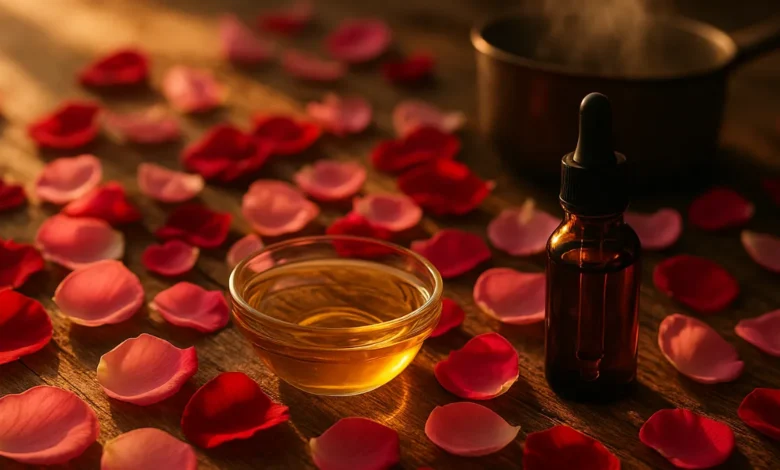
Learn how to make rose oil easily at home with expert tips, step-by-step methods, benefits, tools, DIY techniques, and professional secrets. A complete guide to pure, fragrant, luxurious homemade rose oil.
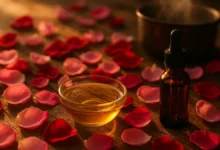
If you’ve ever held a bottle of truly pure rose oil, you already know it feels luxurious, silky, and deeply aromatic. And if you’ve ever checked the price of authentic rose oil, you also know it can be unbelievably expensive. That’s exactly why learning how to make rose oil at home has become such a popular trend—because you can get that same luxurious fragrance without spending a fortune. The best part? When you master how to make rose oil, you control everything: the fragrance strength, the rose type, the infusion level, and even the emotional vibe behind your personal formula.
Many people assume that how to make rose oil is a complicated, delicate, or technical process, but it’s genuinely accessible for anyone. You don’t need fancy equipment, exotic ingredients, or a chemistry degree. What you actually need is patience, good roses, and the right technique. If you can chop vegetables, boil water, and follow a recipe, you can make rose oil. And the result smells like romance, serenity, and pure botanical beauty.
So before we dive deep into the exact techniques, let’s explore why so many people want to learn how to make rose oil and why it has become one of the most celebrated natural oils worldwide.
Why Learning How To Make Rose Oil Matters
When people ask how to make rose oil, they are usually searching for more than just a DIY project. They’re looking to create something with emotional depth. Rose oil has been used for centuries as a natural remedy, beauty enhancer, spiritual companion, and therapeutic aid. It’s often considered the queen of oils because of its rarity, elegance, and soothing strength.
Understanding how to make rose oil also gives you a sense of connection to ancient botanical traditions. Historically, rose oil was produced in royal palaces and sacred gardens, where roses were treated like treasure. When you make your own rose oil, you become part of that long artisanal lineage. It’s not just a craft—it’s a ritual.
Another reason people want to learn how to make rose oil is sustainability. With commercial rose oil being so expensive, many companies dilute it or source from questionable farms. Making your own ensures purity. You know exactly what’s inside, and you can avoid synthetic fragrances or chemicals entirely. It’s the ultimate form of clean beauty.
So yes, learning how to make rose oil is empowering. It opens a door to natural wellness, handcrafted beauty, and aromatherapy that comes straight from your kitchen—not a factory.
Types Of Roses You Should Use When Learning How To Make Rose Oil
Your entire success in how to make rose oil begins with choosing the right type of rose. The fragrance, potency, and oil quality depend heavily on what you pick. Some people make the mistake of grabbing store-bought roses, but those are often sprayed with chemicals. If you’re learning how to make rose oil, always choose organic whenever possible.
Here is a helpful table to guide your selection:
| Rose Type | Scent Profile | Why It’s Great for How To Make Rose Oil |
|---|---|---|
| Damask Rose | Deep, rich, classic rose scent | Known for producing the strongest perfume-like fragrance |
| Centifolia (Cabbage Rose) | Soft, romantic, powdery | Great for skincare-based rose oil recipes |
| Wild Roses | Fresh, bright, delicate | Perfect for light, refreshing oils |
| English Roses | Floral and sweet | Versatile and ideal for beauty products |
| Home-Grown Roses | Depends on the variety | Safe, chemical-free, affordable |
The most important rule when choosing roses for how to make rose oil is this:
“Your rose oil is only as good as the roses you use.”
So pick the most fragrant roses you can find. The more they smell, the richer your rose oil will be.
Tools You Need To Start Learning How To Make Rose Oil
One of the best things about how to make rose oil is that you don’t need anything complicated. Most of the tools are already in your kitchen or easy to find. Here’s a simple list:
- Fresh organic rose petals
- Carrier oil (jojoba, sweet almond, or grapeseed)
- A clean glass jar
- A strainer or cheesecloth
- A dark glass bottle for storage
- A pan for gentle heating (optional)
- Mortar and pestle (optional but useful)
These simple tools are all you need to learn how to make rose oil through different techniques like cold infusion, warm infusion, or distilled-style processes.
How To Make Rose Oil Using Cold Infusion
One of the most classic ways to learn how to make rose oil is through cold infusion. This method is slow, gentle, and very beginner-friendly. People love it because it preserves the natural freshness of the petals.
Cold Infusion Technique Explained
Cold infusion relies on time rather than heat. The petals release their fragrance slowly into the oil, making the final product soft, fresh, and delicate. If you’re someone who loves subtle rose scents, then this is the method for you.
Here’s how to start:
- Clean your rose petals carefully.
- Let them dry slightly to remove excess moisture.
- Fill a glass jar with petals until about three-quarters full.
- Pour your chosen carrier oil over them.
- Seal the jar tightly and shake gently.
- Let it sit in a cool, dark place for several days to weeks.
What’s magical about learning how to make rose oil with cold infusion is watching the fragrance deepen over time. Every day you check your jar, it will smell more floral, more enchanting, and more like the rose oil you’re trying to create.
Why Cold Infusion Is Amazing
Just by waiting, you let nature do the work. When people think of how to make rose oil for skincare, cold infusion usually becomes their favorite method because the oil stays incredibly gentle on the skin. No heat means no loss of nutrients. If your goal is beauty oil or lightweight aromatherapy oil, this method is perfect.
How To Make Rose Oil Using Warm Infusion
Warm infusion is a much faster method of learning how to make rose oil, especially if you don’t want to wait days or weeks. It uses gentle heat to coax the fragrance out of the rose petals.
Warm Infusion Technique Explained
To use the warm infusion method:
- Add your petals into a heat-safe bowl or pot.
- Pour the carrier oil over them until completely covered.
- Heat the mixture on the lowest possible flame.
- Let it simmer gently for 30–60 minutes.
- Cool, strain, and transfer into a dark bottle.
This method is perfect for people who ask how to make rose oil quickly or want a more fragrant batch in a shorter time.
Why Warm Infusion Is Popular
Warm infusion intensifies the scent because heat helps the petals break down faster. Many people consider it the “sweet spot” method when learning how to make rose oil, since it’s fast but still gentle enough to keep nutrients intact. If you want quick results—this is your method.
How To Make Rose Oil Using Double-Infusion Method
The double-infusion method is ideal when you want your rose oil to be extremely fragrant, luxurious, and rich. If you love bold floral scents, this will become your go-to technique when mastering how to make rose oil.
Double Infusion Technique Explained
Double infusion simply means you repeat the infusion process twice. After making your initial rose oil using cold or warm infusion:
- Remove the old petals.
- Add a new batch of fresh petals.
- Pour the already-infused oil over them.
- Let it infuse again using your chosen method.
This multiplies the fragrance dramatically.
Why Double Infusion Produces Superior Rose Oil
People who truly love how to make rose oil often swear by this method because it produces an incredibly potent result. It’s very similar to high-end perfumery techniques where layering fragrance over fragrance creates depth, body, and complexity. Your rose oil will smell fuller, richer, and more aromatic than a single infusion.
How To Make Rose Oil Using Distillation-Style Method
This isn’t traditional steam distillation like factories use, but it’s a simplified DIY approach for those who want to mimic high-end rose essential oil. When exploring how to make rose oil, some people want the closest version to real rose essential oil without expensive tools. This method gets you there.
Distillation-Style Technique Explained
- Place a small heat-safe bowl in a pot.
- Scatter rose petals around it.
- Add enough water to cover the petals.
- Put a lid upside-down on the pot.
- Heat gently until steam forms.
- Place ice on top of the inverted lid.
- The inner condensation drips into the bowl—this is your rose oil-infused hydrosol layer.
While this doesn’t produce pure essential oil, the concentrated hydrosol carries an amazingly intense aroma. You can mix it with carrier oil for a luxurious rose oil blend.
Why This Method Feels Magical
The distillation-style approach is visually fascinating. Watching droplets of rose-infused liquid fall into the bowl feels like witnessing the soul of the flower being captured. If you’re someone who loves the magic of nature, this method makes learning how to make rose oil feel like an enchanting ritual.
Benefits Of Learning How To Make Rose Oil
Once you master how to make rose oil, the benefits extend far beyond fragrance. Homemade rose oil is packed with vitamins, antioxidants, and natural compounds that are incredible for wellness, skincare, and emotional balance.
Skincare Benefits
Knowing how to make rose oil lets you create one of the best natural skincare oils in the world. Rose oil hydrates, moisturizes, calms inflammation, and adds a soft glow to the skin. It’s gentle, soothing, and perfect for sensitive skin.
Emotional And Aromatherapy Benefits
Rose oil is famous for reducing anxiety, stress, and emotional heaviness. That’s why aromatherapists always keep a bottle on hand. When you know how to make rose oil, you can create your own emotional wellness tools.
Haircare Benefits
Homemade rose oil can nourish the scalp, reduce dryness, and add a natural shine to your hair. Many people mix rose oil with their conditioner or hair masks for a luxurious beauty upgrade.
Healing And Spiritual Benefits
Rose oil has been used in meditation, healing rituals, and spiritual ceremonies for centuries. Learning how to make rose oil means creating your own sacred fragrance.
Storage Tips For When You Learn How To Make Rose Oil
Storing your homemade rose oil correctly ensures that it stays fragrant, fresh, and long-lasting. Improper storage can cause it to lose its scent or nutrients over time.
Key Storage Tips
- Always use a dark glass bottle.
- Keep it away from sunlight.
- Store in a cool, dry place.
- Add vitamin E oil as a natural preservative.
These small steps ensure that all your hard work in how to make rose oil pays off with long-lasting quality.
Expert Tips To Improve Your Mastery Of How To Make Rose Oil
Once you understand the basics, you can elevate your rose oil to a professional level. Here are expert-quality tips:
Use Morning-Picked Roses
Roses picked early in the morning are more fragrant. This one trick alone can dramatically improve your success in how to make rose oil.
Dry Your Petals Slightly
Drying the petals just a bit prevents excess moisture, which can ruin the oil. Slightly wilted petals release fragrance more easily.
Use Jojoba Oil For Long-Lasting Fragrance
Jojoba oil mimics the skin’s natural oils and absorbs fragrance beautifully. Many experts recommend it when teaching how to make rose oil.
Layer Your Fragrances
Want premium-quality rose oil? Add a few jasmine or lavender petals. This elevates your recipe without overpowering the rose scent.
Creative Ways To Use Your Rose Oil After Learning How To Make Rose Oil
Once you’ve mastered how to make rose oil, the possibilities are endless. Here are creative uses:
Beauty Enhancements
- Facial oils
- Lip gloss enhancement
- Perfume base blends
- Body moisturizers
Home Aromatherapy
- Diffuser blends
- Pillow sprays
- Homemade candles
- Massage oils
Spiritual Practices
- Meditation oils
- Chakra balancing
- Manifestation rituals
- Temple cleansing
Common Mistakes People Make When Learning How To Make Rose Oil
No matter how simple how to make rose oil seems, there are a few common mistakes:
Using Weak Roses
If the roses don’t smell strong before you start, the oil will not smell strong afterward.
Using Too Much Heat
High heat destroys the delicate floral compounds. Always keep the temperature low.
Not Using A Sealed Container
A loose lid allows the aroma to escape instead of infusing into the oil.
Avoiding these mistakes ensures that your journey in how to make rose oil is smooth and successful.
Quotes To Inspire Your Journey Into How To Make Rose Oil
“Where flowers bloom, so does the soul—and rose oil captures that bloom forever.”
“Learning how to make rose oil is learning how to bottle beauty itself.”
“A rose speaks in fragrance. Rose oil is its voice preserved.”
FAQs
What is the easiest method for how to make rose oil?
The cold infusion method is the easiest. You simply place the petals in oil and let time draw out the fragrance. It requires no heat and no advanced tools.
How long does homemade rose oil last?
If stored properly in a dark bottle, homemade rose oil can last several months. Adding vitamin E oil helps extend the shelf life.
Can I use store-bought roses for how to make rose oil?
It’s possible but not recommended. Store-bought roses often contain pesticides. Organic roses are always the safest and most fragrant choice.
Why does my rose oil smell weak?
Usually because the roses were not fragrant enough or because heat was too high during the infusion. Always pick fresh, strongly scented roses.
Which carrier oil is best for how to make rose oil?
Jojoba oil is the top choice because it holds fragrance extremely well and closely resembles natural skin oils. Sweet almond or grapeseed oils are also excellent options.
Can I use dried roses instead of fresh petals?
Yes, dried roses work well and often produce a deeper, more concentrated scent because they contain less water and more compact fragrance compounds.
Conclusion
Learning how to make rose oil is one of those beautifully simple yet deeply rewarding projects that anyone can do. Whether you want skincare benefits, aromatherapy support, or a touch of natural luxury, rose oil delivers all of it. When you create your own, the entire process becomes personal—every petal, every drop of oil, every infusion step feels intentional and meaningful.
Making your own rose oil connects you to nature, enhances your self-care rituals, and gives you something pure, handcrafted, and deeply aromatic. Once you master how to make rose oil, you’ll never want to buy commercial versions again, because nothing compares to your own homemade creation.