
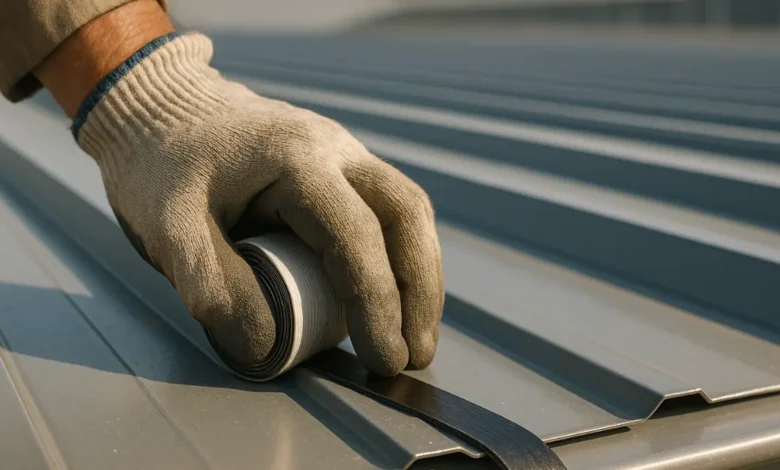
Discover the versatility of butyl tape — a powerful, flexible, and waterproof sealing material ideal for construction, automotive, roofing, HVAC, and marine applications. Learn its uses, benefits, and expert application tips.


Understanding Butyl Tape
Butyl tape is a pressure-sensitive adhesive made from a synthetic rubber compound known as butyl rubber. This unique rubber blend gives the tape an exceptional ability to stick, seal, and stay flexible for long periods, even in harsh environments.
Unlike conventional tapes, butyl tape doesn’t dry out, crack, or lose adhesion over time. Its chemical structure allows it to resist aging, moisture, and extreme temperature variations. It is soft, malleable, and sticky, allowing it to form airtight and watertight seals on various surfaces — from metal and wood to glass and plastic.
Essentially, butyl tape behaves like a strong, sticky putty in tape form. When pressed into seams, joints, or gaps, it conforms perfectly to the shape of the surface, creating a continuous seal that blocks water and air infiltration. Because of its performance and simplicity, it’s a favorite among roofers, builders, auto technicians, and even marine professionals.
Why Butyl Tape Is So Popular
Excellent Sealing Power
The biggest advantage of butyl tape is its waterproof and airtight sealing ability. It can effectively block moisture, vapor, and air leaks, protecting surfaces from corrosion, mold, and structural damage. When used under flashing or between overlapping materials, it prevents rainwater and wind-driven moisture from getting inside.
Even if materials expand or contract due to temperature changes, butyl tape maintains its bond without cracking or separating. This long-term flexibility makes it far more durable than many liquid sealants or silicone alternatives.
Flexibility Under Movement and Vibration
Another key strength is its elasticity. Butyl tape stretches and moves without losing its seal, making it perfect for areas exposed to movement — such as roofs, vehicles, HVAC ducts, and window frames. It’s ideal for situations where materials experience vibration, expansion, or contraction.
Its rubber-like structure allows it to recover shape even after deformation, ensuring that the seal remains intact for years. This characteristic is especially useful in the automotive and marine industries, where motion and vibration are constant.
Weather and Aging Resistance
Butyl tape performs exceptionally well in outdoor conditions. It resists ultraviolet light, oxidation, and temperature extremes. Unlike traditional sealants that harden or shrink with age, butyl tape stays pliable and continues to adhere strongly to surfaces even after years of exposure.
This makes it reliable in places where long-term sealing is required — from roofs and walls to boats and caravans. Its resistance to ozone, UV, and moisture means it doesn’t crumble or lose adhesion over time.
Adheres to Multiple Surfaces
One of the most convenient features of butyl tape is its compatibility with many surfaces — metal, glass, wood, concrete, stone, and plastic. Whether you’re sealing a skylight, joining panels, or waterproofing a joint, it works equally well.
No primers are usually required if surfaces are properly cleaned and dried. This makes installation faster and easier, especially for do-it-yourself applications.
Easy and Clean Application
Butyl tape requires no special tools, mixing, or curing. Simply cut it to size, peel off the liner, and press it in place. It delivers an instant bond without the mess of liquid sealants. Since it’s non-toxic and solvent-free, it’s safer and cleaner to handle.
Main Uses of Butyl Tape
Roofing and Flashing
Butyl tape is widely used in roofing systems, particularly for metal roofs. It seals overlaps between panels, flashing joints, and fastener heads. When placed under ridges, eaves, skylights, or vents, it provides an airtight and watertight barrier that endures both sun and storm.
Its flexibility allows it to follow the contours of metal sheets and maintain adhesion despite expansion or contraction caused by temperature changes.
Window and Door Installation
During window or door installation, butyl tape is often used to seal between frames and walls, preventing leaks and drafts. It ensures that rainwater doesn’t seep into the structure and that warm or cool air stays inside.
Because it conforms easily to irregular surfaces, it’s ideal for both new construction and renovation projects. It’s also a superior alternative to caulk when long-term elasticity is needed.
HVAC and Duct Systems
In air conditioning and ventilation systems, butyl tape plays a key role in sealing joints, flanges, and connections. Airtight seals improve energy efficiency, reduce condensation, and prevent leaks.
Since it does not harden or crack, it continues to seal ducts for years, even under thermal expansion or vibration. Many technicians use it as a standard for high-performance HVAC installations.
Automotive and RV Repairs
In the automotive world, butyl tape is used for sealing windshields, windows, taillights, and roof joints. In RVs and caravans, it’s perfect for waterproofing seams, vents, and roof accessories.
Because vehicles are subject to vibration, road movement, and temperature shifts, the flexibility of butyl tape makes it more reliable than rigid sealants. It’s also handy for quick emergency leak repairs on the road.
Marine and Boat Applications
Boats face constant exposure to moisture, salt, and sunlight — environments where traditional sealants often fail. Butyl tape provides durable sealing for deck fittings, hatches, portholes, and through-hull fittings.
It maintains elasticity in marine environments and creates a long-lasting watertight barrier, resisting UV degradation and saltwater corrosion.
Construction and Structural Joints
In building and masonry work, butyl tape seals expansion joints, precast concrete seams, and cladding systems. It’s also used to bond vapor barriers, insulation layers, and waterproof membranes.
Because it stays soft, it can accommodate structural movement without cracking, ensuring that water and air do not penetrate the building envelope.
Types of Butyl Tape
Single-Sided Butyl Tape
This version has adhesive on only one side and is ideal for use where one surface must remain exposed or non-adhesive. It’s commonly used in roofing, flashing, and insulation projects.
Double-Sided Butyl Tape
With adhesive on both sides, this tape acts as a gasket or joint seal between two materials. It’s used in window installation, roofing panels, and mechanical assemblies where both surfaces must adhere.
Foil-Backed and Reinforced Tapes
Some butyl tapes come with aluminum foil or fabric backing for added strength and temperature resistance. These are ideal for high-heat environments like roofs, ducts, or industrial pipes. The foil layer also reflects heat and UV rays, extending the tape’s lifespan.
Specialty Formulations
Manufacturers offer tapes with unique characteristics such as fire resistance, extra-high tack, or chemical stability for industrial and marine use. Choosing the right type ensures durability and safety for your project.
How to Apply Butyl Tape Correctly
Prepare the Surface
Clean the area thoroughly. Surfaces should be free from dirt, oil, dust, and moisture. A clean, dry surface ensures maximum adhesion.
If necessary, use a mild solvent or cleaner and allow it to dry completely before applying the tape.
Measure and Cut
Cut the desired length of tape using scissors or a utility knife. Allow a little extra for overlap at joints or corners. Avoid stretching the tape before application, as stretching can cause thinning and weak spots.
Apply and Press Firmly
Peel off the release liner and place the tape onto one surface. Press it down evenly to remove any air pockets or wrinkles. Use a roller or firm pressure to ensure full contact between the tape and the surface.
When bonding two surfaces, bring them together carefully and apply pressure for a few seconds to activate full adhesion.
Seal and Finish
Where the ends meet, slightly overlap them to maintain a continuous seal. If used on an exposed surface, you can apply a protective covering like flashing, paint, or trim for added durability.
Common Mistakes to Avoid
- Applying on dirty or damp surfaces
- Stretching the tape during installation
- Using incompatible materials nearby (such as oil-based coatings)
- Ignoring the temperature range during application
- Not overlapping ends or sealing corners properly
By avoiding these mistakes, the bond remains secure and watertight for years.
Comparison Table
| Feature | Butyl Tape | Silicone Sealant | Acrylic/Bitumen Tape |
|---|---|---|---|
| Application | Simple peel and press | Requires tooling and curing | Medium complexity |
| Flexibility | Excellent | Moderate | Low |
| Weather Resistance | High | Good | Moderate |
| UV Resistance | Excellent | Variable | Low |
| Reusability | Difficult to remove | Moderate | Easy |
| Ideal Use | Seams, joints, roofs, ducts | Windows, bathrooms | Temporary patches |
Expert Tips
- Store butyl tape in a cool, dry place to maintain tackiness.
- Warm the tape slightly in cold weather to improve adhesion.
- Always roll the tape into place to eliminate air gaps.
- Combine with protective trim for exposed outdoor installations.
- Avoid using where the surface will be submerged unless rated for underwater use.
Frequently Asked Questions
What makes butyl tape waterproof?
Its rubber composition is non-porous and highly resistant to water molecules, ensuring a continuous waterproof barrier once applied.
Can I paint over butyl tape?
Yes, but only after it has fully adhered. Use flexible paint types that can expand and contract without cracking.
Does butyl tape harden over time?
No. Unlike other sealants, it stays flexible and does not dry out, which helps it maintain sealing power for decades.
Can it be used on hot metal roofs?
Yes, but select a high-temperature-rated tape for best performance under direct sunlight or heat exposure.
Is butyl tape safe for indoor use?
Absolutely. It contains no solvents or harmful fumes, making it suitable for indoor applications such as windows, bathrooms, and HVAC systems.
Conclusion
Butyl tape is a powerful, long-lasting, and easy-to-use solution for sealing and waterproofing across a wide range of industries. Its durability, flexibility, and weather resistance make it indispensable in construction, automotive repair, marine maintenance, and home improvement.
When applied correctly, it provides a professional-grade seal that withstands the test of time, saving both effort and repair costs. Whether you’re a seasoned contractor or a DIY enthusiast, keeping butyl tape in your toolkit is a smart choice for reliable sealing in any condition.


