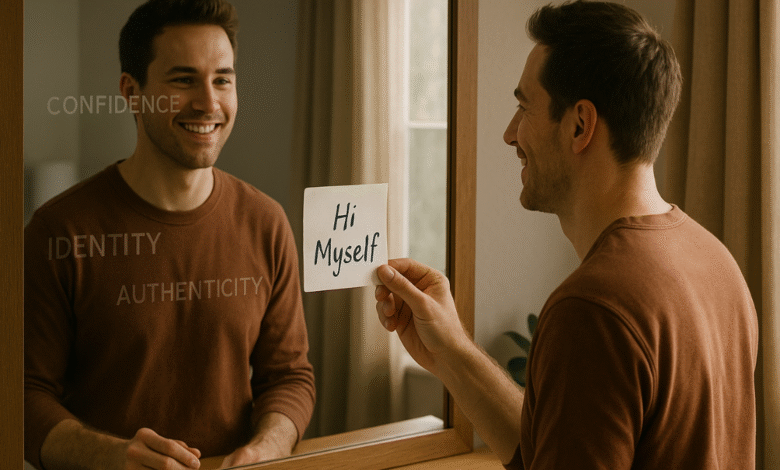
Learn the meaning and impact of the phrase “hi myself”. Discover its usage in self-introductions, online culture, and psychology with expert insights, FAQs, and tips.


Self-introduction is one of the simplest yet most powerful ways to connect with others. The phrase “hi myself” may sound casual and lighthearted, but it actually reflects something deeper: the way we view ourselves and how we present that identity to the world. Whether you are meeting someone new, writing an essay, preparing for an interview, or simply reflecting on your personality, understanding how to say “hi myself” with confidence can make all the difference.
In this article, we’ll dive into the meaning, usage, psychology, and cultural aspects of introducing yourself, and why the words we choose when we say “hi myself” can shape perceptions, opportunities, and even relationships.
The Meaning of “Hi Myself”
The phrase “hi myself” is often used casually by people when introducing themselves, especially in informal settings. While grammatically it is not always the conventional way to begin a formal introduction, its popularity has grown in online conversations, casual writing, and even personal storytelling.
At its core, “hi myself” expresses a direct and simple self-reference. It removes the need for pretense and highlights authenticity. When someone says, “Hi myself, I’m Sarah and I love painting,” it feels like a direct invitation into their personality, combining greeting and introduction into one.
From a linguistic perspective, the phrase captures the merging of two basic instincts: the need to say hello and the need to assert identity. It creates an instant bond between speaker and listener because the introduction doesn’t sound mechanical — it feels relatable and personal.
Why Introductions Matter
Every culture places great importance on introductions. Saying “hi myself” is not just about announcing your name — it’s about creating the first impression that lingers in someone’s memory.
Psychologists have long emphasized the “first impression effect.” When you introduce yourself, the listener unconsciously forms judgments about your confidence, trustworthiness, and warmth. A casual phrase like “hi myself” can instantly break barriers by sounding approachable. However, in professional environments, adapting the style of self-introduction becomes essential.
Think of introductions as the first handshake in words. Just as a firm handshake communicates confidence, a clear and warm introduction builds credibility. That’s why learning to master “hi myself” in different contexts can help you connect better in social, academic, and professional circles.
The Evolution of Self-Introduction
The way humans introduce themselves has changed dramatically over centuries. In ancient times, introductions often focused on family lineage, tribe, or social status. People were expected to say who their father was, where they came from, and what role they played in society.
As civilizations evolved, self-introduction became more personal. Instead of being defined solely by family or place, people started to highlight their personal names, professions, and individual qualities. Fast forward to the modern digital era, and “hi myself” has become a quick, simple, and often humorous way of putting yourself out there.
In online spaces such as social media, dating apps, and forums, the phrase “hi myself” is used to break the ice. It’s less formal than “hello, my name is,” but still communicates the same message. This casual style resonates with the conversational tone of the internet, where brevity and personality matter more than formality.
“Hi Myself” in Professional Settings
While “hi myself” works well in casual interactions, professionals often hesitate to use it in workplace introductions. That hesitation is valid because in formal environments, structure and clarity are highly valued. A recruiter, for example, expects a candidate to begin with, “Hello, my name is Alex,” rather than “hi myself Alex.”
Yet, dismissing the phrase entirely would be shortsighted. In some creative workplaces, casual introductions are encouraged to foster a sense of openness. Saying “hi myself” in such spaces could show adaptability and originality. The key is to read the room.
Professionals can still learn from the spirit of “hi myself” — authenticity. Instead of memorizing stiff self-introduction scripts, it’s better to speak naturally and let genuine personality shine through.
Psychological Impact of Saying “Hi Myself”
Language influences the way we think. Saying “hi myself” is not only about how others perceive you — it also impacts how you perceive yourself. This phrase acts as a reminder of self-acceptance. By addressing “myself,” you are indirectly affirming your presence and acknowledging your worth.
Studies in psychology show that self-affirmation exercises improve confidence and reduce stress. Even a small act like practicing your self-introduction with phrases such as “hi myself” can reduce nervousness before interviews, presentations, or first meetings.
It also adds humor and relatability, which can instantly put both the speaker and the listener at ease. In this way, “hi myself” is more than an informal phrase — it’s a psychological tool for self-confidence.
Everyday Uses of “Hi Myself”
You may have noticed how the phrase pops up in daily conversations, captions, and even memes. Its adaptability makes it useful in multiple contexts:
| Context | Example of Usage |
|---|---|
| Social Media Bio | “Hi myself, I’m a dreamer chasing stories.” |
| First Day at College | “Hi myself, I’m Lily, excited to study literature.” |
| Online Community Forum | “Hi myself, glad to join this group!” |
| Casual Introduction | “Hi myself, I’m into music and hiking.” |
This table shows how a simple phrase can be molded depending on the platform or situation. Its informal charm makes it especially effective when trying to sound approachable and human online.
Quotes About Self-Introduction
“To introduce yourself is to give the world a glimpse of your soul.”
“Every hello is the beginning of a story, and every self-introduction is the title of that story.”
These short quotes remind us that introducing oneself is not just about formality. It’s about storytelling. “Hi myself” is one of the shortest stories we tell — but it’s powerful enough to spark curiosity and connection.
FAQs on “Hi Myself”
Q1. Is “hi myself” grammatically correct?
Not in formal English. The standard form is “Hi, I’m [Name]” or “Hello, my name is [Name].” However, “hi myself” is commonly used informally to create a casual and fun tone.
Q2. Can I use “hi myself” in interviews?
It’s not recommended for professional interviews. Stick to formal introductions like “My name is” or “I am.” Save “hi myself” for social or relaxed environments.
Q3. Why do people use “hi myself” online?
Because it’s catchy, humorous, and feels authentic. Social media thrives on quick phrases that sound friendly and relatable.
Q4. How can I make my self-introduction stronger?
Keep it clear, authentic, and adaptable. Share your name, one unique trait, and a passion. Add humor if the setting allows.
Q5. Does using “hi myself” make me look unprofessional?
Not necessarily. It depends on the context. In casual environments, it can make you seem approachable. In formal settings, avoid it to maintain professionalism.
Conclusion
At first glance, “hi myself” seems like a simple phrase, almost playful in nature. Yet behind its casual tone lies a powerful idea: the art of introducing oneself authentically. Whether you’re speaking to strangers, writing online, or preparing for formal meetings, self-introduction is the bridge that connects you with the world.
Embracing “hi myself” in the right context can help you build confidence, break barriers, and express personality without fear. After all, every great connection begins with a simple hello — and sometimes, the most memorable hello is the one that feels the most like yourself.