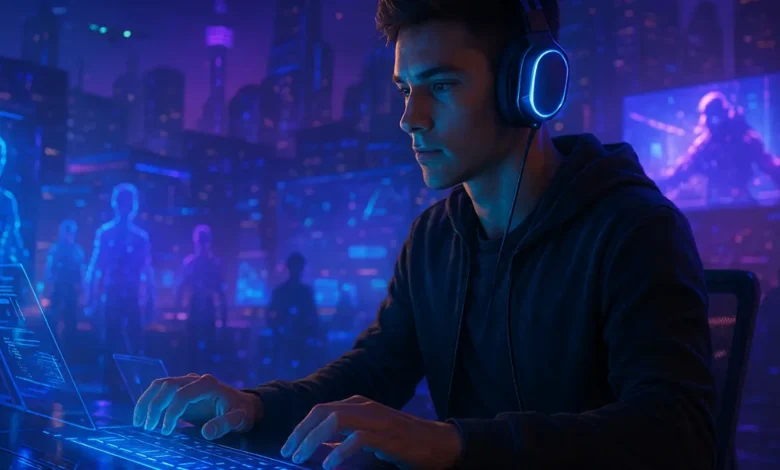
Explore the world of TGarchirvetech Gaming — a blend of technology, creativity, and immersive gameplay that’s redefining how gamers connect, compete, and create in the modern digital era.


TGarchirvetech Gaming: A New Era of Digital Entertainment
TGarchirvetech Gaming isn’t just a phrase; it’s an identity for the next generation of gamers, developers, and creative minds who live at the intersection of innovation and imagination. This modern gaming culture represents how technology fuels creativity and reshapes entertainment experiences globally. From cloud streaming and augmented reality to community-driven eSports platforms, TGarchirvetech Gaming stands as a movement defining how people play, connect, and compete.
At its core, TGarchirvetech Gaming captures the essence of futuristic play. It reflects an ecosystem that unites players from around the world, offering immersive virtual worlds, cinematic storytelling, and cutting-edge game design. It’s not just gaming anymore; it’s a lifestyle, a mindset, and a global cultural shift where entertainment meets innovation in ways never seen before.
The Rise of TGarchirvetech Gaming
TGarchirvetech Gaming grew from the merging of advanced technology with human creativity. Early gaming revolved around simple pixels and sounds, but today, gamers experience vast universes powered by AI, real-time rendering, and virtual reality. This evolution mirrors how the world itself has become more digitized, immersive, and interactive.
The TGarchirvetech Gaming community thrives on collaboration, competition, and creativity. It isn’t limited to one genre or device — it stretches across mobile, console, and PC platforms. From strategy to simulation, TGarchirvetech Gaming captures every angle of digital entertainment. The result is a boundless playground where gamers can create, share, and live their experiences within ever-evolving virtual worlds.
The Philosophy Behind TGarchirvetech Gaming
TGarchirvetech Gaming stands on the philosophy that technology should empower imagination. Every gamer, regardless of skill level, becomes part of a digital revolution that blurs the boundaries between real and virtual. It celebrates curiosity, innovation, and inclusivity — core values that drive the global gaming community forward.
In the TGarchirvetech Gaming universe, creativity isn’t a byproduct; it’s the foundation. Developers use advanced engines and design tools to create lifelike experiences, while players contribute through mods, content creation, and online collaborations. This constant exchange of ideas keeps TGarchirvetech Gaming vibrant, relevant, and constantly evolving.
Immersive Experiences in TGarchirvetech Gaming
What separates TGarchirvetech Gaming from traditional gaming is its depth of immersion. Players no longer watch a story unfold — they live it. Every move, choice, and emotion becomes part of a dynamic digital narrative. The line between spectator and participant fades, creating experiences that feel profoundly personal and alive.
With advancements like virtual reality and AI-driven storylines, TGarchirvetech Gaming transforms the way humans interact with digital worlds. Imagine walking through a post-apocalyptic city while feeling the wind through your headset, or building an empire in a universe that learns from your decisions. These experiences highlight the limitless potential of gaming when powered by next-gen tech and imagination.
TGarchirvetech Gaming and Artificial Intelligence
Artificial Intelligence lies at the heart of TGarchirvetech Gaming. AI doesn’t just control non-playable characters — it shapes the environment, adapts challenges, and personalizes gameplay. Through machine learning, AI-driven systems learn player behavior, crafting more natural and emotionally engaging experiences.
AI also enhances competitive balance, ensuring fair matches and smarter opponents. Beyond gameplay, it drives real-time translation, accessibility features, and creative tools for developers. TGarchirvetech Gaming leverages AI not as a gimmick but as a true collaborator in crafting unforgettable virtual adventures.
The Power of Virtual Communities
TGarchirvetech Gaming thrives because of its vibrant global community. Players connect through shared experiences, challenges, and creativity. Whether it’s a co-op mission, a digital art collaboration, or a massive online tournament, the community defines the spirit of modern gaming.
These virtual communities go beyond entertainment. They foster friendships, teamwork, and even career opportunities. Streamers, designers, and developers build entire livelihoods around TGarchirvetech Gaming. This sense of belonging turns gaming from a solitary hobby into a collective cultural experience.
TGarchirvetech Gaming and eSports Evolution
The influence of TGarchirvetech Gaming is most visible in the world of eSports. Competitive gaming has evolved into a professional global industry where skill meets strategy. From local tournaments to international championships, eSports represents the athleticism of the digital age.
TGarchirvetech Gaming pushes eSports to new heights with better infrastructure, faster servers, and more inclusive platforms. Gamers aren’t just competing; they’re performing for millions worldwide. The blend of technology, strategy, and creativity defines what makes TGarchirvetech eSports a global phenomenon.
Creativity and Innovation in Game Design
At the heart of TGarchirvetech Gaming lies its dedication to creativity and innovation. Every game is an experiment, blending art, science, and storytelling. Designers use physics engines, procedural generation, and 3D modeling to create worlds that feel alive. But beyond the technical brilliance, TGarchirvetech Gaming celebrates emotion — the connection between player and world.
Developers take inspiration from real life, mythology, and future concepts to craft games that challenge perception. This artistic blend creates a unique aesthetic where imagination becomes the ultimate playground. TGarchirvetech Gaming champions innovation as both an art form and a revolution in human experience.
TGarchirvetech Gaming and the Future of the Metaverse
TGarchirvetech Gaming plays a vital role in building the metaverse — an interconnected virtual universe that merges digital spaces. Within this future, players can own virtual assets, attend concerts, build businesses, or socialize across worlds without limits. TGarchirvetech Gaming lays the foundation for this by integrating blockchain, cross-platform play, and immersive storytelling.
As the metaverse evolves, TGarchirvetech Gaming becomes more than just fun; it’s the fabric of digital living. It introduces new economies, new professions, and a redefinition of what it means to “exist” online. This digital frontier promises infinite creativity and human connection.
The Role of Streaming and Content Creation
Streaming has become an essential part of TGarchirvetech Gaming culture. Gamers aren’t just players — they’re entertainers, educators, and influencers. Platforms allow them to share their passion with audiences around the world, creating communities that thrive on interaction and authenticity.
This content-driven ecosystem gives rise to new opportunities for creators. Tutorials, live playthroughs, and digital art inspire millions, turning TGarchirvetech Gaming into both a profession and a platform for storytelling. It’s where creativity meets technology and where every gamer can become a digital star.
The Impact of TGarchirvetech Gaming on Society
TGarchirvetech Gaming influences more than entertainment; it impacts education, psychology, and culture. Schools use gaming to teach critical thinking and teamwork. Therapists use virtual environments to treat anxiety and improve focus. TGarchirvetech Gaming shows how digital experiences can be beneficial, productive, and empowering.
The industry also challenges stereotypes. It opens doors for diversity and inclusion, encouraging people from every background to express themselves freely. The inclusive spirit of TGarchirvetech Gaming ensures that everyone, regardless of age, gender, or skill, can participate and feel valued.
Table: TGarchirvetech Gaming Ecosystem
| Element | Description |
|---|---|
| Technology Core | AI, VR, AR, Cloud Integration |
| Cultural Impact | Global Communities, eSports, Digital Identity |
| Economic Role | In-game Economies, Digital Assets, Career Creation |
| Creative Foundation | Interactive Storytelling, Artistic Innovation, User Mods |
Quotes on TGarchirvetech Gaming
“TGarchirvetech Gaming is not just about playing — it’s about creating worlds where imagination becomes reality.”
“The beauty of gaming lies in its ability to bring people together, regardless of boundaries or backgrounds.”
“In TGarchirvetech, technology becomes emotion, and play becomes art.”
Challenges and Opportunities
No innovation comes without challenges. TGarchirvetech Gaming must tackle issues like online toxicity, data privacy, and digital fatigue. However, these challenges also open the door for innovation — building safer spaces, improving mental health awareness, and promoting responsible gaming.
The opportunity lies in shaping a future where gaming is healthy, inclusive, and sustainable. Developers, players, and communities can work together to ensure that TGarchirvetech Gaming remains a force for good — inspiring creativity and connection rather than isolation.
The Business Side of TGarchirvetech Gaming
Behind every game lies an ecosystem of developers, investors, marketers, and designers. TGarchirvetech Gaming has created new economic models through in-game purchases, NFTs, and digital ownership. The rise of play-to-earn systems empowers players to monetize their skills while supporting developers’ creativity.
This financial model fuels innovation, encouraging studios to take risks and push boundaries. TGarchirvetech Gaming proves that entertainment and entrepreneurship can coexist — turning passion into profession and hobby into industry.
TGarchirvetech Gaming and Sustainable Technology
Sustainability has become a growing focus in TGarchirvetech Gaming. Developers are exploring eco-friendly servers, energy-efficient hardware, and carbon-neutral data centers. Games themselves promote awareness about environmental conservation and social responsibility.
By integrating sustainability into technology, TGarchirvetech Gaming sets a new benchmark for ethical innovation. It’s a movement toward a greener, smarter, and more responsible future for digital entertainment.
The Emotional Power of Play
Beyond graphics and algorithms, TGarchirvetech Gaming connects deeply with human emotion. Games tell stories of triumph, loss, love, and discovery — reminding us of our shared humanity. They offer comfort, inspiration, and challenge, becoming emotional landscapes that reflect who we are.
TGarchirvetech Gaming understands that emotion drives engagement. Every victory, failure, and discovery fuels connection. This emotional depth transforms gaming from an escape into an expression of self.
The Global Vision of TGarchirvetech Gaming
The vision of TGarchirvetech Gaming extends far beyond screens. It imagines a connected planet where culture, creativity, and technology blend seamlessly. It’s not limited by geography or language — only by imagination.
From virtual classrooms to interactive art installations, TGarchirvetech Gaming shapes how people learn, socialize, and dream. Its global vision is to make digital experiences not just immersive but meaningful — connecting hearts through play.
FAQs about TGarchirvetech Gaming
What is TGarchirvetech Gaming?
TGarchirvetech Gaming represents a new wave of digital entertainment that combines technology, creativity, and community-driven play. It’s a culture built on immersive experiences and innovation.
Why is TGarchirvetech Gaming important?
It redefines how people connect, learn, and express creativity in digital spaces. Its influence extends beyond gaming into art, education, and culture.
How does TGarchirvetech Gaming use technology?
It integrates advanced technologies such as AI, VR, and cloud computing to create realistic, adaptive, and immersive gaming experiences.
Is TGarchirvetech Gaming just for professionals?
Not at all. TGarchirvetech Gaming welcomes everyone — from casual players to competitive professionals — fostering inclusivity and collaboration.
What is the future of TGarchirvetech Gaming?
The future is boundless, merging metaverse technology, AI storytelling, and human creativity to build connected digital universes.
Conclusion
TGarchirvetech Gaming is more than just a concept; it’s a revolution shaping the future of entertainment and technology. It redefines creativity, community, and connection in ways that bridge imagination and innovation. As the lines between reality and virtual life continue to blur, TGarchirvetech Gaming will remain a symbol of progress — a digital universe where anyone can play, create, and belong.