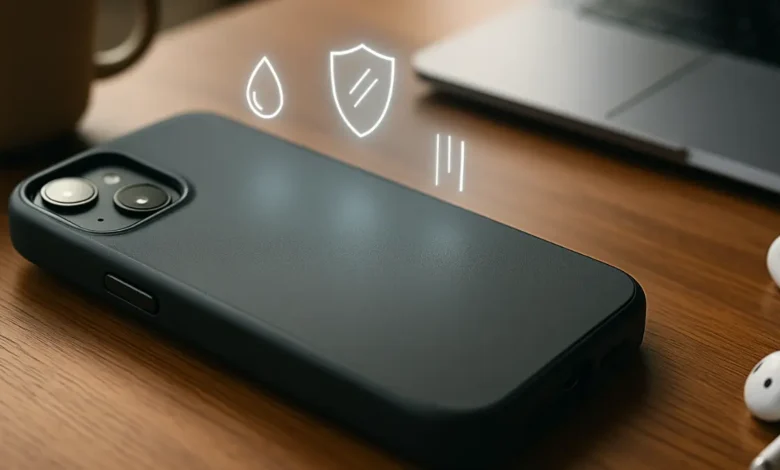
Discover the best iPhone 14 Plus case options for protection, style, and functionality. Learn about materials, features, and designs to keep your iPhone safe and stylish.


Introduction to the iPhone 14 Plus Case
The iPhone 14 Plus is one of Apple’s standout devices, combining a large, stunning display with powerful features that users rely on daily. However, like any premium smartphone, it needs proper protection. That’s where the iPhone 14 Plus case comes into play. A well-designed case not only safeguards the device against drops and scratches but also enhances its style and usability.
When looking for the right iPhone 14 Plus case, it’s important to strike a balance between durability, comfort, and aesthetics. With so many options available, from slim transparent shells to rugged military-grade covers, buyers often feel overwhelmed. This guide will walk through everything an informed user should know before purchasing, ensuring that the device stays safe and stylish.
Why a Case is Essential for the iPhone 14 Plus
The iPhone 14 Plus comes with a sleek glass front and back, making it both beautiful and fragile. Even a small drop can lead to expensive repairs, and scratches can quickly diminish its resale value. An iPhone 14 Plus case provides the necessary barrier between the device and everyday hazards like keys, coins, or accidental slips.
Beyond protection, cases also provide extra grip. The large body of the iPhone 14 Plus can be slippery, especially if someone has smaller hands. A properly designed case reduces this risk and makes the phone easier to handle on the go. In short, a good case is not just an accessory—it’s a must-have investment.
Types of iPhone 14 Plus Cases
When shopping for an iPhone 14 Plus case, it’s helpful to understand the different categories available. Each type serves a unique purpose and appeals to different lifestyles.
Slim Cases are ideal for minimalists. They add very little bulk and keep the phone looking close to its original design. However, they may sacrifice some drop protection.
Rugged Cases are built for durability. These often include reinforced corners, shock-absorbing materials, and raised edges for ultimate safety. While bulkier, they’re perfect for those with active lifestyles or demanding jobs.
Another popular choice is the Wallet Case, which combines protection with practicality. Many of these allow users to store cards, cash, and IDs, eliminating the need for a separate wallet.
Materials Used in iPhone 14 Plus Cases
The material of an iPhone 14 Plus case makes a huge difference in terms of protection, comfort, and aesthetics. Silicone is one of the most common choices, offering a soft texture that’s easy to grip while providing decent shock absorption.
Leather cases, on the other hand, deliver a more premium look and feel. They often develop a natural patina over time, giving them character and uniqueness. For those who prioritize transparency, clear polycarbonate cases showcase the phone’s original design while adding scratch resistance.
Style and Aesthetic Considerations
An iPhone 14 Plus case isn’t just about function—it’s also a fashion statement. From vibrant colors and patterns to sophisticated leather finishes, cases allow users to personalize their devices.
Some users prefer bold, eye-catching cases that make their phone stand out, while others lean toward minimal, understated designs. With the wide selection available today, there’s a perfect style for every personality and mood.
Compatibility with Accessories
A good iPhone 14 Plus case should never interfere with accessories like MagSafe chargers, wireless charging pads, or car mounts. Many manufacturers now design cases that fully support MagSafe, ensuring a seamless experience.
Users who regularly rely on wireless charging should double-check that their case won’t cause any interruptions. A poorly designed case may block charging coils or weaken the magnetic connection. Choosing a case with proper compatibility ensures convenience is never sacrificed.
Key Features to Look For in an iPhone 14 Plus Case
When comparing options, several features set high-quality iPhone 14 Plus cases apart from generic alternatives. Raised bezels around the camera and screen are crucial for preventing scratches when the phone is placed face down.
Shock-absorbent corners, responsive button covers, and anti-slip textures also make a noticeable difference. Cases with precise cutouts ensure that speakers, charging ports, and microphones remain unobstructed, offering full usability without compromise.
Balancing Protection and Bulk
One of the biggest decisions buyers face is choosing between slim and bulky cases. Slim designs feel sleek and pocket-friendly but may not withstand serious drops. Rugged cases offer maximum durability but can be heavy and harder to carry.
The right choice depends on lifestyle. Those who often work outdoors or in physically demanding environments might prefer a rugged case, while office workers or casual users may opt for a thinner, lighter design.
Table: Comparison of Popular iPhone 14 Plus Case Types
| Case Type | Protection Level | Bulkiness | Style Options | Extra Features |
|---|---|---|---|---|
| Slim Case | Moderate | Low | Minimalist | Lightweight |
| Rugged Case | High | High | Functional | Drop and shock resistant |
| Wallet Case | Moderate | Medium | Stylish | Card & cash slots |
| Clear Case | Moderate | Low | Transparent | Showcases phone design |
| Leather Case | Moderate | Medium | Premium | Develops patina |
Expert Quotes on iPhone 14 Plus Protection
“A smartphone is an investment. Using a case isn’t just about avoiding damage; it’s about extending the life of that investment.” – Mobile Accessories Specialist
“The iPhone 14 Plus is a large, glass-front device, and without a case, its chances of surviving drops are slim. Protection is peace of mind.” – Tech Reviewer
FAQs on iPhone 14 Plus Cases
Q: Do all iPhone 14 Plus cases support MagSafe?
A: Not all of them. While many newer cases are MagSafe-compatible, some cheaper alternatives may block or weaken the connection. Always check the product description before purchasing.
Q: Can I use an iPhone 13 case on the iPhone 14 Plus?
A: No. The iPhone 14 Plus has different dimensions and camera placements, so older cases will not fit properly.
Q: Are clear cases good for long-term use?
A: Clear cases are popular, but they can yellow over time due to exposure to sunlight and oils. Choosing high-quality polycarbonate or anti-yellowing materials helps extend their lifespan.
Q: Is a wallet case bulky?
A: Wallet cases are bulkier than slim covers, but they provide the benefit of carrying essentials like cards and IDs in one place.
Q: Do leather cases actually protect well?
A: Leather cases offer decent protection, but they’re more about style and grip. For heavy-duty protection, rugged cases remain the better option.
Conclusion
An iPhone 14 Plus case is more than just a cover—it’s a combination of protection, style, and practicality. With the right choice, users can extend the life of their device, enjoy daily convenience, and make a personal fashion statement. Whether opting for a slim minimalist cover, a rugged shield, or a premium leather design, the key is finding the balance that fits individual lifestyle needs.