SBU Solar represents a modern, intelligent approach to renewable energy, delivering efficient solar solutions for businesses and communities focused on sustainability, cost savings, and a cleaner future.

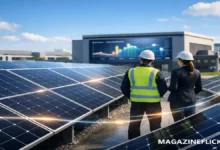
Solar energy is no longer just an alternative power source—it is becoming the backbone of modern energy systems around the world. As governments, businesses, and homeowners search for cleaner, more reliable energy, solutions like SBU Solar are gaining strong attention. This growing interest is not accidental. It reflects a shift toward sustainable thinking, smarter infrastructure, and long-term cost efficiency.
SBU Solar represents more than just solar panels or installations. It reflects a strategic approach to solar energy development, implementation, and management. Whether used in commercial projects, residential systems, or large-scale energy planning, SBU Solar stands out as a structured, scalable, and forward-thinking solar solution. As energy demands rise and climate awareness increases, the relevance of SBU Solar continues to expand.
This article explores SBU Solar in depth—what it means, how it works, why it matters, and how it is shaping the renewable energy landscape. By the end, you will understand why SBU Solar is considered a smart move for anyone serious about clean energy.
Understanding the Concept Behind SBU Solar
At its core, SBU Solar refers to a focused solar business or operational unit designed to manage solar initiatives efficiently. The term SBU often stands for Strategic Business Unit, and when applied to solar energy, it highlights a dedicated structure for planning, execution, and growth within the renewable sector.
SBU Solar allows organizations to separate solar operations from traditional energy systems. This separation leads to better accountability, faster innovation, and improved performance tracking. Instead of solar being a side project, it becomes a core mission with its own strategy, goals, and performance metrics.
Another important aspect of SBU Solar is flexibility. It can be adapted for various scales—from small residential installations to industrial-level solar farms. This adaptability makes SBU Solar attractive to startups, enterprises, and public institutions alike.
“A dedicated solar unit doesn’t just generate energy—it generates clarity, focus, and long-term value.”
Why SBU Solar Matters in Today’s Energy Landscape
The global energy landscape is undergoing rapid change. Fossil fuels are becoming less reliable due to price volatility and environmental concerns. At the same time, renewable energy is becoming more affordable and efficient. SBU Solar fits perfectly into this transition by offering a structured way to adopt solar power.
One reason SBU Solar matters is its ability to streamline decision-making. When solar operations are centralized under one unit, projects move faster. Planning, budgeting, installation, and maintenance are handled by specialized teams who understand solar technology deeply.
Another key reason is sustainability reporting. Many organizations now face pressure to reduce carbon emissions. With SBU Solar, tracking environmental impact becomes easier and more accurate. This transparency builds trust with customers, investors, and regulators.
How SBU Solar Supports Sustainable Development
Sustainability is not just about reducing emissions—it’s about creating systems that last. SBU Solar contributes to sustainable development by promoting clean energy adoption while ensuring operational efficiency.
Solar power generated through SBU Solar reduces dependence on non-renewable resources. This shift helps conserve natural ecosystems and lowers pollution levels. Over time, these benefits compound, leading to healthier communities and more resilient energy systems.
SBU Solar also encourages innovation. Dedicated solar units often invest in new technologies such as energy storage, smart grids, and performance monitoring tools. These innovations make solar power more reliable and accessible, accelerating the transition to a greener future.
The Role of SBU Solar in Commercial and Industrial Sectors
Commercial and industrial sectors are among the largest energy consumers. For these sectors, SBU Solar provides a practical solution to manage high energy demands while controlling costs.
In commercial settings, SBU Solar enables businesses to install rooftop or ground-mounted solar systems tailored to their energy usage patterns. These systems often lead to significant reductions in electricity bills, improving profitability over time.
For industrial users, SBU Solar supports large-scale installations that can power factories, warehouses, and processing plants. The structured approach ensures compliance with regulations, optimal system design, and efficient maintenance schedules.
Residential Benefits of Adopting SBU Solar
While SBU Solar is often associated with large organizations, it also offers clear benefits for residential applications. Homeowners increasingly seek energy independence, and SBU Solar provides a framework to achieve it.
Residential SBU Solar systems are designed with long-term performance in mind. They account for household energy needs, roof orientation, local climate, and future expansion. This results in systems that are both efficient and durable.
Another advantage is financial stability. With SBU Solar, homeowners can lock in energy costs and protect themselves from rising electricity prices. Over time, the savings can be substantial, making solar a smart investment.
Economic Advantages of SBU Solar Implementation
One of the strongest arguments for SBU Solar is its economic impact. While initial setup costs exist, the long-term financial benefits often outweigh them.
SBU Solar reduces operational costs by lowering energy expenses. Many organizations recover their investment within a few years and then enjoy decades of low-cost power. In regions with incentives or tax benefits, returns can be even faster.
Additionally, SBU Solar creates jobs. From system design and installation to maintenance and monitoring, solar operations require skilled professionals. This job creation supports local economies and strengthens the renewable energy workforce.
Technology and Innovation Driving SBU Solar Forward
Technology plays a major role in the success of SBU Solar. Advances in photovoltaic efficiency, battery storage, and monitoring software have made solar systems more reliable than ever.
Modern SBU Solar systems use smart inverters and real-time monitoring tools. These technologies allow operators to track performance, identify issues early, and optimize energy production. This data-driven approach ensures maximum output and minimal downtime.
Energy storage is another critical innovation. By integrating batteries, SBU Solar systems can store excess energy for use during peak demand or outages. This capability enhances energy security and grid stability.
Environmental Impact and Carbon Reduction Through SBU Solar
Environmental responsibility is at the heart of SBU Solar. By generating clean energy, solar systems significantly reduce greenhouse gas emissions.
Each kilowatt of solar power generated through SBU Solar replaces energy that would otherwise come from fossil fuels. Over time, this reduction has a measurable impact on air quality and climate change mitigation.
SBU Solar also promotes responsible land use. Many projects utilize rooftops, parking structures, or degraded land, minimizing environmental disruption. This thoughtful approach aligns energy production with environmental preservation.
Challenges and Considerations in SBU Solar Projects
Despite its many benefits, SBU Solar is not without challenges. Understanding these challenges helps ensure successful implementation.
One common challenge is upfront cost. While prices have dropped significantly, initial investment can still be a barrier for some organizations. However, financing options and long-term savings often offset this concern.
Another consideration is system design. Poor planning can lead to underperformance. This is why SBU Solar emphasizes expert assessment, proper site analysis, and quality components.
SBU Solar and Energy Policy Alignment
Energy policies play a crucial role in shaping solar adoption. SBU Solar aligns well with national and regional renewable energy goals.
Many governments offer incentives for solar projects, including tax credits, grants, and feed-in tariffs. SBU Solar units are often structured to maximize these benefits while ensuring compliance with regulations.
Policy alignment also enhances long-term stability. When solar initiatives are integrated into broader energy strategies, they become less vulnerable to market fluctuations and policy changes.
Comparison of Traditional Energy Models and SBU Solar
| Feature | Traditional Energy Model | SBU Solar Model |
|---|---|---|
| Energy Source | Fossil fuels | Renewable solar |
| Cost Stability | High volatility | Predictable long-term costs |
| Environmental Impact | High emissions | Low to zero emissions |
| Scalability | Limited flexibility | Highly scalable |
| Innovation | Slow adoption | Rapid technological growth |
This comparison highlights why many organizations are shifting toward SBU Solar as a preferred energy strategy.
Future Outlook for SBU Solar
The future of SBU Solar looks promising. As technology improves and costs continue to fall, adoption is expected to grow rapidly.
Emerging trends such as artificial intelligence, blockchain-based energy trading, and decentralized grids will further enhance SBU Solar systems. These developments will make solar energy smarter, more efficient, and more accessible.
As sustainability becomes a core business value, SBU Solar will likely move from an optional investment to a strategic necessity.
Best Practices for Successful SBU Solar Adoption
Successful SBU Solar projects share common best practices. Clear goal setting is essential. Whether the goal is cost reduction, sustainability, or energy independence, defining it early guides decision-making.
Choosing experienced professionals is equally important. From design to installation, expertise ensures system reliability and optimal performance.
Finally, continuous monitoring and maintenance keep SBU Solar systems operating at peak efficiency. This proactive approach maximizes returns and extends system lifespan.
Frequently Asked Questions About SBU Solar
What does SBU Solar mean?
SBU Solar refers to a dedicated solar energy unit or strategy focused on planning, managing, and expanding solar power operations efficiently.
Is SBU Solar suitable for small businesses?
Yes, SBU Solar can be scaled to fit small businesses, offering cost savings and sustainability benefits.
How long does it take to see returns from SBU Solar?
Most SBU Solar projects recover costs within a few years, depending on system size, location, and incentives.
Does SBU Solar work in all climates?
SBU Solar systems are designed for various climates, including areas with moderate sunlight.
Can SBU Solar reduce electricity bills?
Yes, SBU Solar significantly lowers electricity costs by generating clean, on-site power.
Conclusion
SBU Solar represents a smart, structured approach to renewable energy that aligns economic benefits with environmental responsibility. By offering scalability, efficiency, and long-term value, it stands as a powerful solution for individuals, businesses, and institutions seeking a sustainable energy future.