USA Traditional Clothing: A Deep Exploration of Heritage, Identity, and Evolving Style


Explore USA traditional clothing, its cultural roots, regional influences, historical evolution, and modern relevance in this in-depth expert guide written for easy reading and strong search ranking.
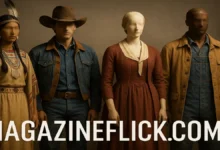

USA Traditional Clothing and Its Cultural Meaning
USA traditional clothing is not a single outfit or a fixed style. Instead, it is a layered reflection of history, migration, climate, work culture, and social values. Unlike countries with centuries-old uniform national dress, the United States developed its traditional clothing through a blend of Indigenous heritage, European settlement, African influence, and later global migration. Each era left behind garments that still shape how Americans dress today.
Traditional clothing in the United States often represents practicality, freedom, and adaptability. From rugged frontier wear to ceremonial Native American garments, American clothing traditions speak less about royal courts and more about everyday life. These traditions emerged from farms, factories, reservations, churches, and city streets. Over time, many of these styles became symbols of identity and pride rather than daily wear.
What makes USA traditional clothing unique is its diversity. A cowboy hat, a denim jacket, a Native American headdress, or a colonial-era dress may all be considered traditional depending on the cultural and historical context. Together, these styles tell the story of a nation built by many communities, each contributing threads to the broader fabric of American dress.
Historical Roots of Traditional Clothing in the United States
The roots of USA traditional clothing can be traced back to Indigenous peoples who lived on the land long before European contact. Native American tribes developed clothing based on their environment, spiritual beliefs, and available materials. Animal hides, feathers, beads, and plant fibers were transformed into garments that held deep cultural and ceremonial meaning.
When European settlers arrived, they brought their own clothing traditions from England, France, Spain, and the Netherlands. Early American colonial clothing closely followed European fashion but gradually adapted to local conditions. Heavy wool coats, linen shirts, corsets, breeches, and bonnets were common, especially in the colder regions. Over time, practicality replaced luxury as settlers adjusted to frontier life.
African Americans also played a major role in shaping traditional clothing. Enslaved Africans brought textile skills, patterns, and cultural aesthetics that influenced American dress. Despite harsh restrictions, African-inspired elements survived through quilting, head wraps, and later workwear styles. These contributions became part of the broader story of USA traditional clothing, even if they were not always recognized at the time.
Native American Traditional Clothing and Symbolism
Native American traditional clothing is one of the most important foundations of USA traditional clothing. Each tribe developed unique garments that reflected climate, lifestyle, and spiritual beliefs. Clothing was not only functional but also symbolic, representing status, achievements, and connection to nature.
Plains tribes often wore clothing made from buffalo hides, decorated with intricate beadwork and fringe. These designs were not random; each pattern and color held meaning. Feathers, for example, symbolized honor and bravery, while certain colors represented elements like earth, sky, or water. Clothing played a central role in ceremonies, dances, and storytelling.
In contrast, tribes from the Southwest favored woven textiles made from cotton or wool. Long dresses, shawls, and moccasins were common, often dyed with natural pigments. In colder regions, layered garments and fur-lined coats were essential. Today, Native American traditional clothing is worn during cultural celebrations, powwows, and rituals, preserving traditions that continue to influence American fashion.
Colonial and Early American Clothing Traditions
Colonial-era clothing forms another key chapter in USA traditional clothing. Early American settlers dressed according to European norms but quickly adapted their wardrobes to local needs. Clothing had to withstand physical labor, unpredictable weather, and limited resources. As a result, durability became more important than elegance.
Men commonly wore linen shirts, waistcoats, breeches, and long coats. Women wore long dresses with fitted bodices, aprons, and shawls. These garments were often handmade at home, reflecting self-reliance and practicality. Clothing colors were usually muted, as bright dyes were expensive and difficult to produce.
As America moved toward independence, clothing also became a symbol of political identity. Choosing locally made fabrics over imported British goods was seen as an act of patriotism. This period helped shape the idea that USA traditional clothing is closely linked to values like independence, simplicity, and hard work.
Frontier Life and the Birth of Practical American Style
The westward expansion of the United States introduced a new chapter in traditional clothing. Frontier life demanded garments that could survive harsh conditions and long days of physical labor. This era gave rise to some of the most recognizable elements of USA traditional clothing.
Denim jeans, originally designed for miners and workers, became a staple due to their strength and comfort. Shirts were loose and breathable, while jackets were designed to provide warmth without restricting movement. Hats played a functional role, protecting wearers from sun, rain, and dust.
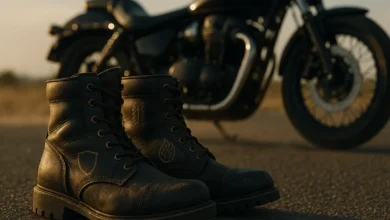
Footwear also evolved during this time. Sturdy boots replaced delicate shoes, offering protection during travel and work. Frontier clothing emphasized freedom of movement and durability, values that continue to define American style today. These garments were not meant to impress but to endure, which is why many remain popular generations later.
Cowboy and Western Clothing as American Icons
Cowboy and Western clothing is perhaps one of the most globally recognized forms of USA traditional clothing. Originating from ranching culture in the American West, this style combined influences from Mexican vaqueros, Native American designs, and European workwear.
Cowboys wore wide-brimmed hats to shield themselves from the sun, along with boots designed for riding. Denim jeans, leather belts, and sturdy shirts formed the foundation of their outfits. Bandanas served practical purposes, such as protecting the face from dust and wind.
Over time, Western clothing became a symbol of independence, adventure, and resilience. Films, music, and popular culture helped spread this image worldwide. Today, cowboy boots and hats are worn both for function and fashion, keeping Western clothing alive as a core part of USA traditional clothing.
Workwear and Industrial Influence on Traditional Dress
Industrialization introduced another layer to USA traditional clothing. As factories, railroads, and urban centers expanded, workers needed clothing that could handle demanding environments. This led to the development of durable workwear that prioritized safety and comfort.
Overalls, heavy jackets, and reinforced trousers became common among laborers. Materials like denim and canvas were favored for their strength. These garments were simple in design but highly effective, reflecting the American emphasis on efficiency and utility.
Workwear eventually crossed into everyday fashion, influencing casual clothing across the country. Items once reserved for labor became symbols of honesty and hard work. This transition shows how USA traditional clothing often evolves from necessity into cultural expression.
Regional Diversity in USA Traditional Clothing
One of the defining features of USA traditional clothing is regional diversity. Climate, geography, and local culture all play a role in shaping how people dress. In the southern states, lightweight fabrics and relaxed fits developed to suit warm weather. In northern regions, layered clothing and heavier materials became the norm.
In coastal areas, maritime influences shaped traditional dress, with practical garments designed for fishing and sailing. In mountainous regions, insulated clothing protected against cold temperatures. Each region contributed unique styles that together form the broader landscape of American clothing traditions.
This regional variation highlights the adaptability of USA traditional clothing. Rather than enforcing a single national style, American dress reflects local identity and environmental needs, creating a rich and varied tradition.
Traditional Clothing in American Ceremonies and Celebrations
Traditional clothing in the United States often appears during ceremonies, holidays, and cultural celebrations. While everyday wear may be modern, special occasions provide opportunities to honor heritage through dress. These moments keep traditional styles relevant and meaningful.
Indigenous communities wear traditional regalia during powwows and ceremonies. Historical reenactments feature colonial and frontier clothing. Western wear is common at rodeos and country festivals. Each of these events allows people to connect with history through clothing.
Such practices reinforce the idea that USA traditional clothing is not frozen in the past. Instead, it is actively remembered, adapted, and celebrated, ensuring that cultural stories continue to be shared across generations.
Influence of Immigration on Traditional American Dress
Immigration has always played a central role in shaping USA traditional clothing. As people from around the world settled in America, they brought their own clothing traditions, which gradually blended with existing styles. This process created new forms of expression unique to the United States.
European immigrants influenced tailoring, formal wear, and seasonal fashion. Asian communities introduced textiles, patterns, and craftsmanship that enriched American clothing culture. Latin American influence can be seen in Western wear, embroidery, and festive garments.
Rather than replacing older traditions, these influences added depth and variety. The result is a dynamic clothing culture that reflects the ongoing story of migration and cultural exchange, making USA traditional clothing a living tradition rather than a static one.
Materials and Fabrics Used in Traditional Clothing
Materials play an essential role in defining USA traditional clothing. Early garments relied on natural fibers such as cotton, wool, leather, and linen. These materials were chosen for their availability and suitability to local conditions.
Leather was widely used for footwear, jackets, and accessories due to its durability. Cotton became especially important in warmer regions, offering breathability and comfort. Wool provided warmth in colder climates, making it a staple for coats and blankets.
The emphasis on practical materials reflects the American approach to clothing. Traditional garments were designed to serve a purpose, whether for work, travel, or ceremony. This focus on function continues to influence American fashion today.
Table: Key Styles Associated With USA Traditional Clothing
| Traditional Style | Cultural Origin | Primary Purpose |
|---|---|---|
| Native American regalia | Indigenous tribes | Ceremonial and cultural identity |
| Colonial dress | European settlers | Daily life and formal occasions |
| Frontier workwear | Westward settlers | Labor and travel |
| Cowboy attire | Ranching culture | Riding and outdoor work |
| Industrial workwear | Factory workers | Safety and durability |
Traditional Clothing and American Identity
USA traditional clothing is deeply connected to national identity. These garments represent values such as freedom, resilience, individuality, and practicality. Unlike rigid dress codes, American traditions encourage personal expression within cultural frameworks.
Wearing traditional clothing often symbolizes respect for heritage rather than conformity. A cowboy hat, a handmade quilt, or beaded moccasins each tell a story. These items remind people of where they come from and what their communities have endured.
This connection between clothing and identity helps explain why traditional styles remain influential. Even when adapted into modern fashion, their roots continue to shape how Americans view themselves and their history.
Modern Interpretations of Traditional American Clothing
Modern fashion frequently draws inspiration from USA traditional clothing. Designers reinterpret classic elements such as denim, fringe, embroidery, and workwear silhouettes. These adaptations keep traditional styles relevant while appealing to contemporary tastes.
Streetwear, casual fashion, and even luxury brands incorporate elements rooted in American tradition. This blending of old and new demonstrates the flexibility of traditional clothing. It also ensures that heritage continues to influence future generations.
By reimagining traditional garments, modern fashion honors the past while embracing innovation. This balance reflects the broader American approach to culture, where tradition and progress coexist.
Quotes on American Clothing and Culture
“American clothing has always been about movement, freedom, and purpose rather than ornament.”
“Traditional dress in the United States tells the story of everyday people, not just elites.”
These perspectives highlight why USA traditional clothing remains relatable. It reflects real lives and real experiences rather than distant ideals.
Challenges in Defining USA Traditional Clothing
Defining USA traditional clothing can be challenging due to the country’s diversity. There is no single outfit that represents all Americans. Instead, tradition exists across many communities and regions, each with its own history.
This complexity is not a weakness but a strength. It allows for multiple narratives to coexist, ensuring that traditional clothing remains inclusive. Understanding this diversity helps people appreciate the richness of American culture.
Rather than searching for one definitive style, it is more accurate to view USA traditional clothing as a collection of interconnected traditions that together tell a national story.
Preservation and Education of Traditional Clothing
Preserving traditional clothing is essential for cultural education. Museums, cultural centers, and community events play a vital role in keeping these traditions alive. Through exhibitions and workshops, people learn about the meaning behind garments and designs.
Education also helps prevent cultural appropriation by promoting respectful understanding. Knowing the history and significance of traditional clothing encourages appreciation rather than misuse. This awareness ensures that traditions are honored correctly.
By teaching younger generations about USA traditional clothing, communities protect cultural knowledge and inspire pride in heritage.
Role of Traditional Clothing in Popular Culture
Popular culture has played a major role in spreading awareness of USA traditional clothing. Films, television, and music often showcase Western wear, workwear, and historical costumes. These portrayals shape how people perceive American style both domestically and internationally.
While media representations are sometimes romanticized, they keep traditional styles visible. This visibility sparks curiosity and encourages people to learn more about the real histories behind the clothing.
As popular culture evolves, it continues to draw from traditional sources, reinforcing their influence on modern identity.
Future of USA Traditional Clothing
The future of USA traditional clothing lies in adaptation and respect. As society changes, traditional styles will continue to evolve, blending heritage with modern values. Sustainability, ethical production, and cultural awareness are becoming increasingly important.
Designers and communities are finding new ways to honor tradition while addressing contemporary concerns. This approach ensures that traditional clothing remains meaningful rather than outdated.
By embracing change while respecting origins, USA traditional clothing will continue to reflect the nation’s evolving story.
Frequently Asked Questions About USA Traditional Clothing
What is considered traditional clothing in the USA
Traditional clothing in the USA includes Native American regalia, colonial-era garments, cowboy and Western wear, and practical workwear developed through history.
Does the USA have a national traditional dress
The USA does not have a single national dress. Traditional clothing varies by region, culture, and historical period.
Why is American traditional clothing so diverse
Diversity comes from immigration, geography, climate, and cultural exchange, all of which shaped clothing traditions differently across the country.
Are traditional American clothes still worn today
Yes, traditional styles are worn during cultural events, ceremonies, festivals, and are often adapted into modern fashion.
How does Native American clothing influence American fashion
Native American designs influence patterns, materials, and symbolism, contributing deeply to American clothing traditions.
Conclusion: Understanding USA Traditional Clothing
USA traditional clothing represents a rich and complex story shaped by many cultures, environments, and historical moments. Rather than a single uniform style, it reflects diversity, practicality, and freedom of expression. From Indigenous regalia to Western wear and work clothing, each tradition adds meaning to the American experience.
By understanding these roots, people gain a deeper appreciation for how clothing connects history, identity, and modern life. USA traditional clothing continues to evolve, carrying the past forward while adapting to the future.