Discover why a skid plate car setup is essential for protection, performance, and off-road adventures. Learn benefits, materials, installation tips, and more in this expert guide.


Introduction to Skid Plate Car
A skid plate car setup isn’t just a rugged accessory; it’s an essential layer of defense for your vehicle. Whether you’re navigating city streets full of unexpected potholes or venturing into rocky trails, the underside of your car faces a constant threat from debris, road bumps, and uneven surfaces. That’s where a skid plate comes in to save the day.
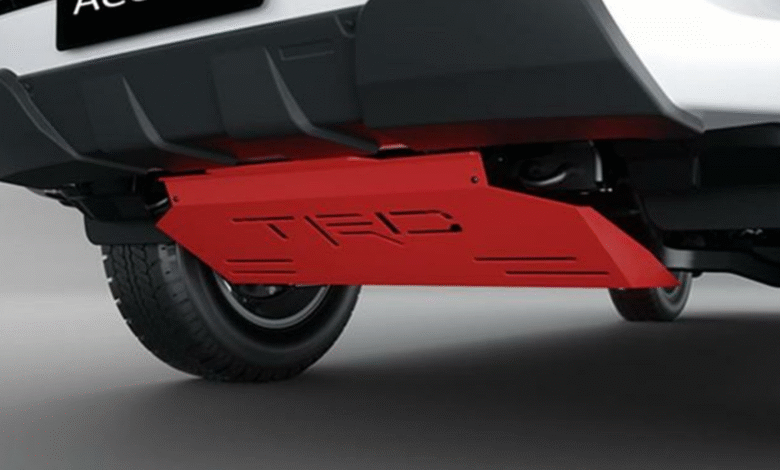
At its core, a skid plate is a protective shield designed to guard the most vulnerable parts of a vehicle, such as the oil pan, transmission, and fuel tank. Without it, a simple bump against a rock could lead to thousands in repair bills. Many drivers underestimate the importance of this component until they experience the consequences of driving without one. In short, a skid plate car is like armor for your ride—practical, tough, and worth the investment.
What is a Skid Plate Car?
A skid plate car refers to any vehicle equipped with a protective plate installed beneath the chassis. This shield, typically made of steel, aluminum, or composite material, acts as the first line of defense against physical impacts. Think of it as a knight’s armor, preventing sharp rocks, dirt, or road debris from puncturing critical systems.
The term “skid plate car” often gets tossed around in automotive communities, especially among off-road enthusiasts. But it’s not limited to them. Even city drivers benefit from this protection. Curbs, loose concrete, and road construction zones are everyday hazards that can threaten your undercarriage. Owning a skid plate car ensures you’re not gambling with your engine’s health every time you drive.
Why a Skid Plate is Essential for Every Driver
One of the most overlooked aspects of vehicle maintenance is underbody protection. Drivers spend money on tires, brakes, and fancy upgrades but rarely think about what lies beneath. That’s a mistake. A skid plate car offers more than just off-road confidence—it provides peace of mind.
Imagine cruising down a dirt road and suddenly hearing the sharp scrape of metal against stone. Without a skid plate, that noise could mean a cracked oil pan or ruptured fuel line. With one installed, it’s nothing more than a harmless scratch on reinforced armor. That’s the real difference: a skid plate turns potential disasters into non-events.
Materials Used in Skid Plates
Not all skid plates are created equal, and the material used determines its performance. When exploring skid plate car options, you’ll usually find three main types:
- Steel Skid Plates
Steel is known for its unmatched toughness. It can take repeated hits without giving in. If you’re into heavy off-roading where rocks and tree stumps are your everyday companions, steel is your best bet. However, its downside is weight, which can slightly affect fuel efficiency. - Aluminum Skid Plates
Aluminum strikes a balance between strength and lightness. It resists corrosion better than steel and doesn’t weigh the vehicle down as much. Many drivers prefer aluminum when they want reliable protection without compromising speed and agility. - Composite Skid Plates
Made from advanced plastics or hybrid materials, composite skid plates are lightweight yet surprisingly resilient. They’re more common in modern cars designed for mixed driving conditions. While not as indestructible as steel, they’re an excellent choice for casual drivers who want reasonable protection.
“Choosing the right skid plate is like choosing shoes—you pick what fits your lifestyle, terrain, and comfort.”
Benefits of Owning a Skid Plate Car
The advantages of having a skid plate installed go far beyond protection. Here’s why skid plate car setups are becoming increasingly popular:
Enhanced Vehicle Longevity
With a skid plate, your car’s vital components are shielded from direct hits. This prevents premature wear and keeps your vehicle running smoothly for years.
Cost Savings
Repairs to an oil pan or transmission can easily exceed the cost of a skid plate. By installing one, you’re investing in preventative protection that saves you money long-term.
Improved Resale Value
A well-protected car often holds its value better. Buyers love seeing upgrades that show you cared for the vehicle. A skid plate car signals durability and attention to detail.
Confidence on Any Road
Whether you’re tackling a mountain trail or an uneven city road, a skid plate gives you confidence. You know your car can handle surprises without suffering damage.
Skid Plate Car and Off-Road Adventures
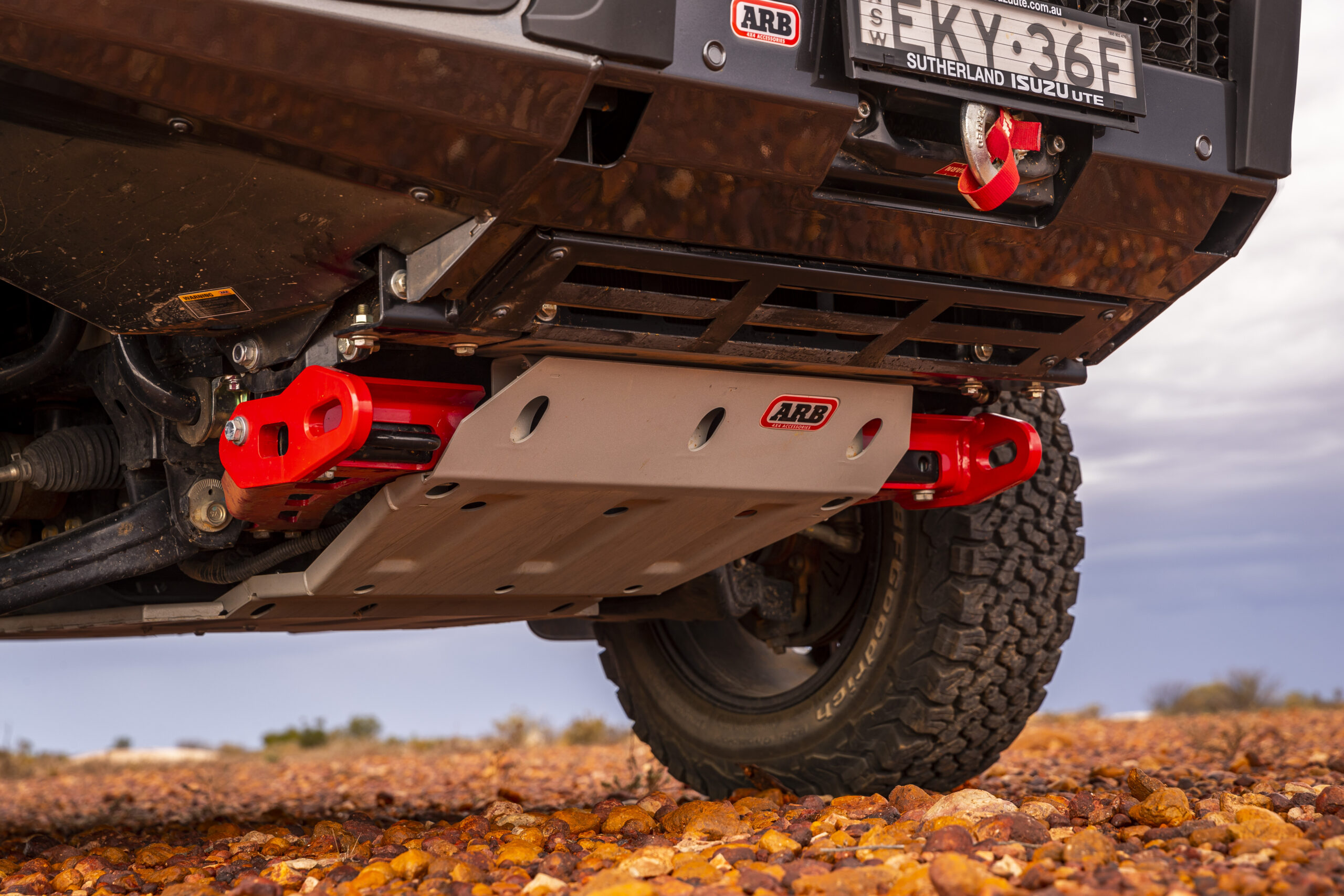
If you’re into off-roading, having a skid plate car isn’t just a recommendation—it’s a necessity. Trails are unpredictable, filled with obstacles like loose rocks, fallen branches, and sudden dips. One bad hit to your oil pan can end a trip before it even starts.
Off-road enthusiasts often go for full skid plate kits that cover multiple parts of the undercarriage. This transforms their vehicle into a rugged beast ready to take on almost anything. Even if you’re only a weekend warrior, installing skid plates can make your adventures far safer and more enjoyable.
Installation and Maintenance of Skid Plates
Installing a skid plate is not as complicated as it might sound. Many aftermarket plates are designed for easy DIY installation, with pre-drilled holes and mounting hardware included. For those who prefer professional help, most auto shops can install them quickly.
Maintenance is also straightforward. Regularly check for dents, cracks, or rust depending on the material. A skid plate car doesn’t require constant attention, but a quick inspection after an off-road trip or a winter season can help you catch issues early.
Myths About Skid Plate Cars
Like most car upgrades, skid plate car setups come with their share of myths. Let’s bust a few:
- Myth: Skid plates are only for off-roaders.
Reality: Even urban drivers face hazards that can damage the underside of their cars. - Myth: Skid plates make cars slower.
Reality: While steel adds some weight, the impact on performance is minimal compared to the protection provided. - Myth: Skid plates are expensive and unnecessary.
Reality: Skid plates are cost-effective compared to the thousands you could spend repairing a cracked engine block or damaged transmission.
Comparison Table of Skid Plate Materials
| Material | Strength Level | Weight Impact | Best For | Cost Range |
|---|---|---|---|---|
| Steel | Very High | Heavy | Extreme off-road use | $$ |
| Aluminum | High | Moderate | Balanced driving | $$$ |
| Composite | Moderate | Light | Daily city + light trails | $ |
FAQs About Skid Plate Car
Q: What is the main purpose of a skid plate car setup?
A: Its main purpose is to protect vital undercarriage parts like the oil pan, fuel tank, and transmission from damage caused by rocks, debris, and rough terrain.
Q: Can I install a skid plate on any car?
A: Yes, most cars can have skid plates installed. Some require custom fitting, but aftermarket options are widely available for common makes and models.
Q: Do skid plates affect fuel efficiency?
A: Heavier steel plates may cause a slight drop in fuel economy, but aluminum and composite plates have minimal impact.
Q: Are skid plates noisy or uncomfortable?
A: Not at all. When installed correctly, skid plates are quiet and don’t interfere with everyday driving comfort.
Q: How often should skid plates be replaced?
A: They don’t need frequent replacement. With proper care, a skid plate can last as long as the vehicle itself, unless it sustains severe damage.
Conclusion
A skid plate car is more than just a rugged accessory—it’s a smart investment for anyone who values their vehicle. From protecting vital components to giving you peace of mind on every drive, skid plates deliver practical benefits that far outweigh the cost. Whether you’re an off-road adventurer or a city commuter, adding this protective shield ensures your car is ready for whatever the road throws at it.